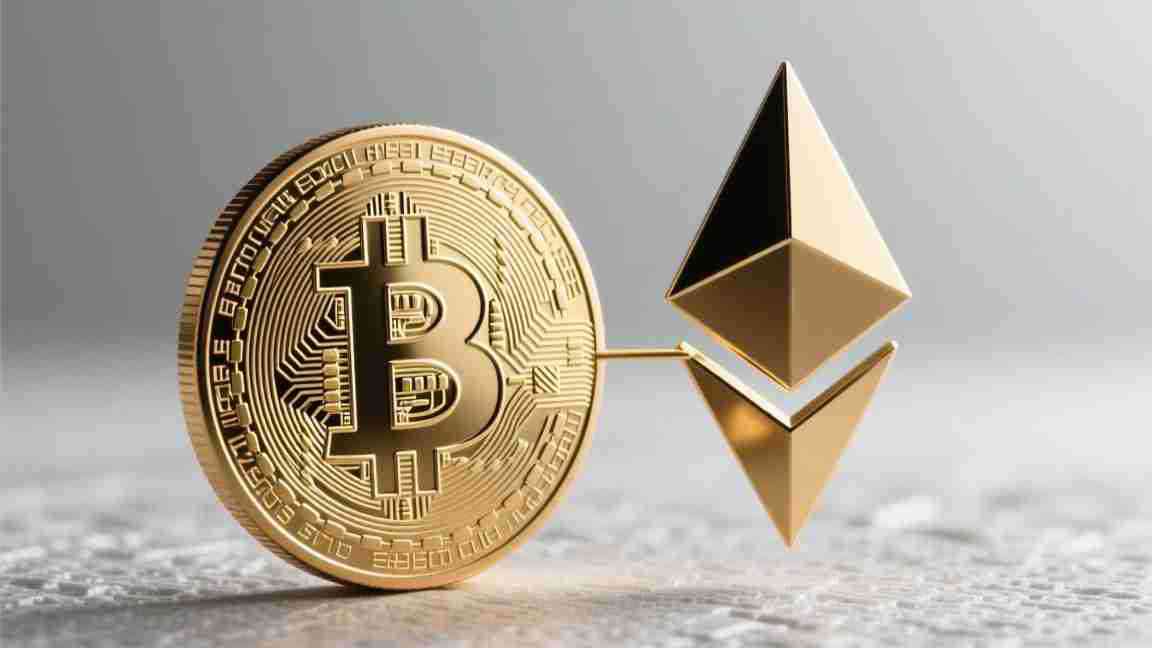
Ladies and gentlemen, good morning/afternoon/evening! It’s an honor to stand here today to talk about a topic that is reshaping our digital landscape—Web3.0. For decades, we’ve witnessed the evolution of the internet: from Web1.0, the "read-only" era of static websites, to Web2.0, the "read-write" age of social media, user-generated content, and centralized platforms. But now, we’re on the cusp of a new paradigm: Web3.0, the "read-write-own" internet—one that is decentralized, user-centric, and built on the foundations of blockchain, artificial intelligence, and the creator economy.
What is Web3.0? Beyond the Hype
At its core, Web3.0 is about returning power to the users. In Web2.0, we trade our data for convenience: social media platforms own our content, tech giants control our digital identities, and algorithms dictate what we see. Web3.0 challenges this status quo by leveraging blockchain technology to create a trustless, transparent, and decentralized ecosystem. Here, users truly "own" their data, their digital assets, and their online interactions. Imagine a world where you control your social media profile, monetize your content without intermediaries, and participate in decision-making processes of the platforms you use—this is the promise of Web3.0.
Key Pillars of Web3.0: Decentralization, Ownership, and Interoperability
Three pillars define this new era:
-
Decentralization: Unlike Web2.0’s centralized servers, Web3.0 operates on distributed networks (blockchains), where no single entity has control. This reduces the risk of censorship, data breaches, and monopolistic practices. For example, decentralized finance (DeFi) protocols allow users to lend, borrow, and trade assets without relying on traditional banks.
-
Digital Ownership: Through non-fungible tokens (NFTs) and cryptocurrencies, Web3.0 enables true ownership of digital assets. An artist can sell their artwork directly to a collector as an NFT, retaining royalties for future resales. Gamers can own in-game items and trade them across virtual worlds, rather than being limited to closed-platform economies.
-
Interoperability: Web3.0 breaks down silos. Just as the internet connected information, Web3.0 connects experiences. Cross-chain compatibility allows users to move assets and data seamlessly between different applications and blockchains, fostering a more integrated digital ecosystem.
Real-World Applications: From Finance to Creativity
Web3.0 isn’t just a theoretical concept—it’s already driving innovation across industries: